Clare Valley Viticulture
Sustainable & resilient vineyards
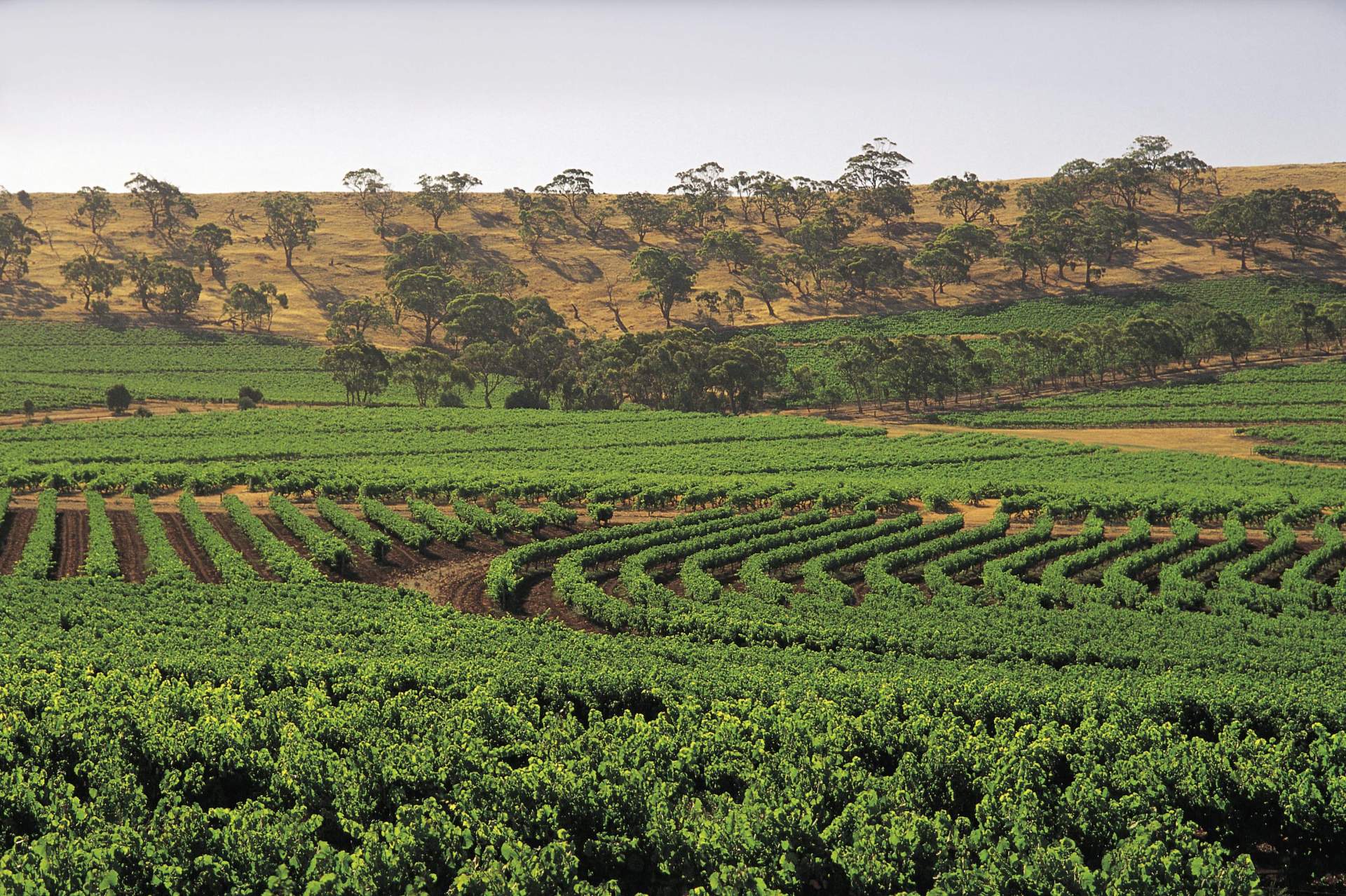
Viticulture in the Clare Valley is guided by generations of experience and a deep respect for the land. The region’s natural conditions support a wide range of grape varieties, with growers carefully matching vine sites to their surroundings to highlight purity, structure, and regional character. Riesling and Shiraz have long been at the heart of Clare Valley plantings, alongside an increasing diversity of alternative varieties that continue to thrive here.
Underlying the vineyards is a complex mix of ancient soils, including red loams, limestone, slate, and shale, each contributing nuance and individuality to the fruit. Many vineyards are dry-grown and sustainably managed, often by multi-generation families who understand the subtleties of their sites intimately. This close relationship between grower and landscape ensures Clare Valley wines remain expressive, distinctive, and deeply connected to place.
Sustainable viticultural practices and resilient vineyards are key to producing high-quality wine grapes in a changing climate.
Grape growers are continually refining their viticultural practices to adapt to climate change. For example, irrigation practices in the region continue to develop efficiencies. The benefits of ‘winter watering’ and ‘pulse irrigation’ are topics we often hear discussed over a coffee or a beer. Mulch is also used under vine to reduce the loss of water from the soil.
Resilient vineyards better withstand the harsh extremes of temperature. Our growers are building resilience by actively improving the health of their soils and creating balanced ecosystems within their vineyards which help to control weeds and disease by promoting beneficial insects.
The Foundation of Vineyard Health
Healthy soils are the foundation of a vineyard. The stewardship of our Clare Valley soils is passed from one generation of grape growers to the next, nurtured in the knowledge that it is a key to prosperity. How our growers manage the rows between the vines impacts soil health and modern viticulture has moved away from cultivation to cover cropping and more recently permanent swards.
Biodiversity in the Vineyards
Biodiverse ecosystems improve health and resilience of vineyards, by suppressing weeds and supporting populations of animal predators and beneficial insects which contribute towards the bio-control of vineyard pests.
A number of Clare Valley grape growers are recognised as having Eco Vineyards in a project funded by Wine Australia. An Eco Vineyard incorporates native insectary plants to create biodiverse ecosystems in and around vineyards which out-compete the weeds and support insect predators who feed on the pests. The project also allows vineyards to demonstrate their environmental credentials, change the look and function of their vineyards and provide opportunities to tell their unique story.